Canoe vs Kayak — What’s the Difference?
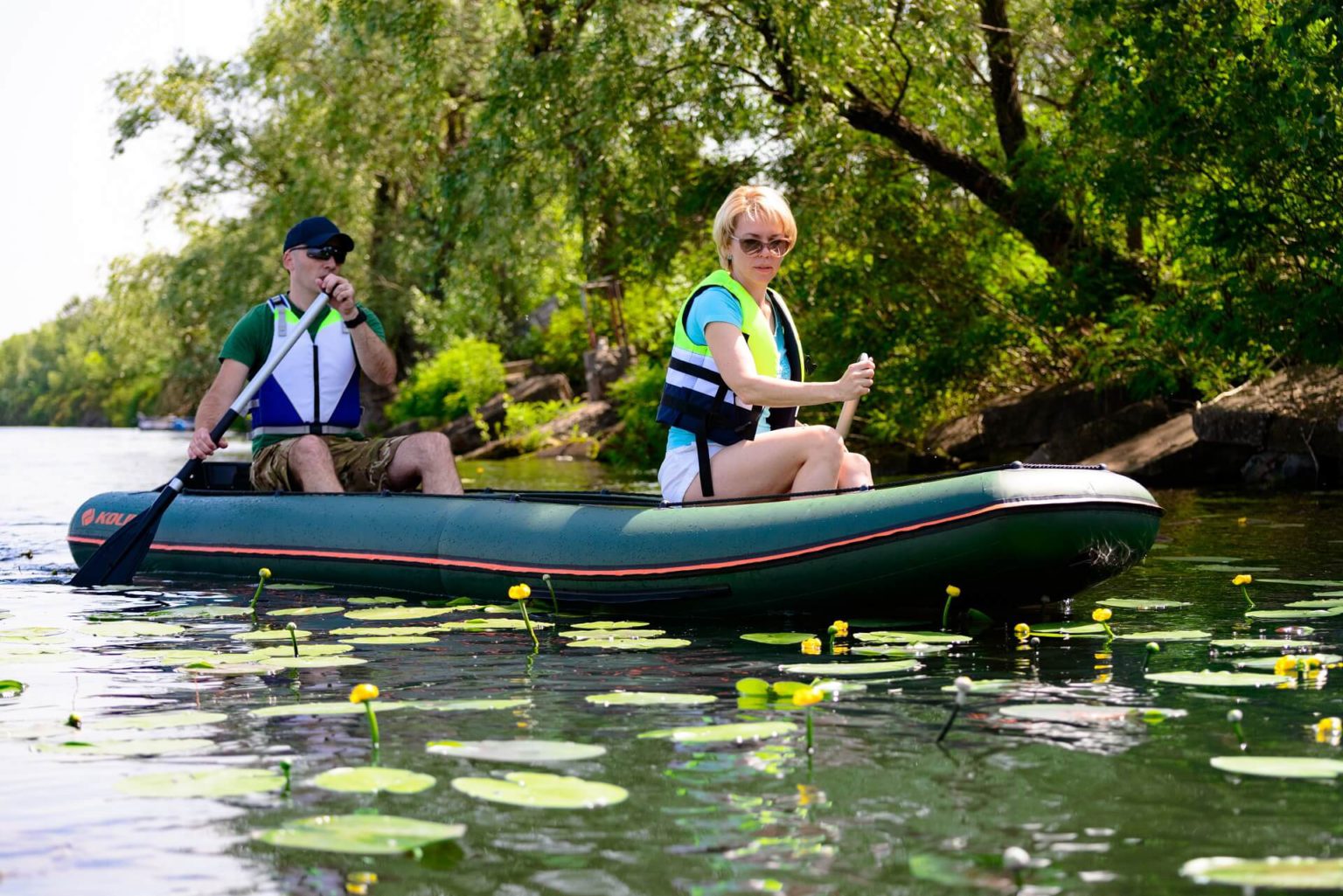
Canoes, like kayaks, are among the oldest watercraft invented by humans, second only to rafts. They first appeared in America, Africa, Southeast Asia, and Oceania.
The word canoe comes from the Spanish Canoa, which in turn comes from the Caribbean Ka-no-a, meaning “to float on water.” The idea of building canoes dates back to the late Paleolithic period (35–40 thousand years ago). Early people, seeing logs drifting on water, began to hollow and burn them out with fire, shaping the first canoes with a spindle-like body. They were paddled using a single-bladed paddle without oarlocks.
Later, frame canoes covered with animal skins or tree bark appeared. In Oceania, sailing canoes and outrigger canoes were developed, similar to modern catamarans. They played a crucial role in human settlement of the Pacific islands
Main Differences Between Canoes and Kayaks
1. Open vs Closed Structure
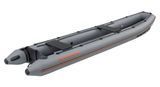
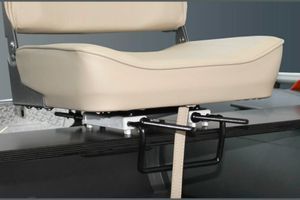
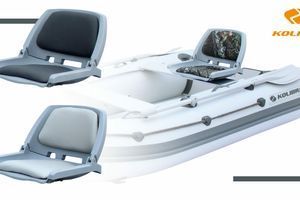
A canoe has an open body, resembling a traditional rowing boat, where the paddler sits on a bench or kneels on the bottom. In contrast, a kayak has a closed cockpit, where the paddler sits lower, closer to the water level, with back support.
2. Buoyancy and Safety
Inflatable canoes have higher buoyancy thanks to four airtight compartments. Kayaks rely on sealed bulkheads and a spray skirt that keeps water out. Kayaks are also known for the “Eskimo roll,” which allows recovery after capsizing.
3. Load Capacity and Stability
Canoes generally have greater load capacity but less stability in rough weather due to a higher center of gravity. Sit-in kayaks have a lower center of gravity, making them more stable, while sit-on-top kayaks have a higher one.
4. Directional Design
Canoes often have symmetrical hulls, allowing bidirectional paddling. Kayaks, however, are built for movement in only one direction.
5. Width and Size
Canoes are usually wider than kayaks. Canoes can be single-seaters or very large (up to 30 meters for war canoes), while kayaks are typically one- or two-seaters.
6. Portability and Storage
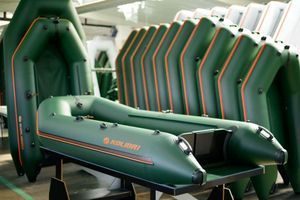
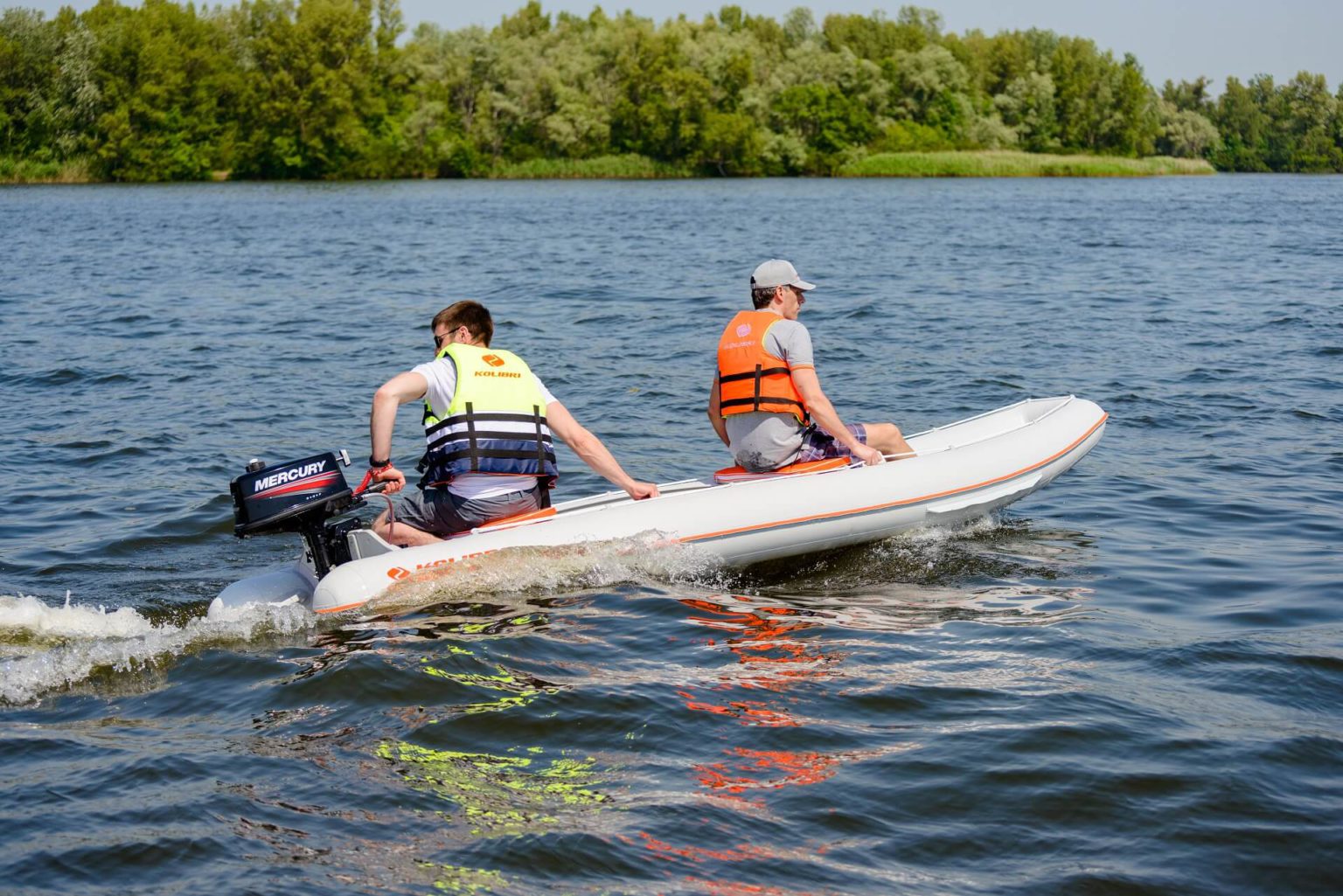
Inflatable canoes are easy to transport and fit into a car trunk. Hard-shell sports canoes are made of wood, aluminum, or plastic. Kayaks can also be inflatable, folding, or solid plastic, each with different transport and storage advantages.
Canoe — Strengths and Applications
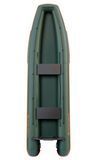
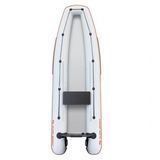
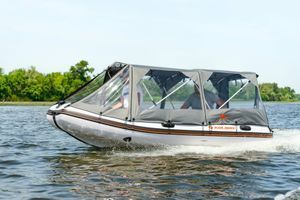
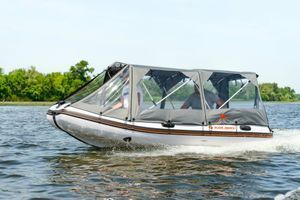
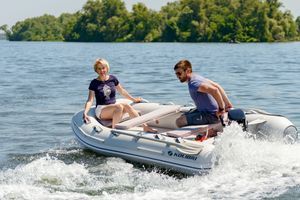
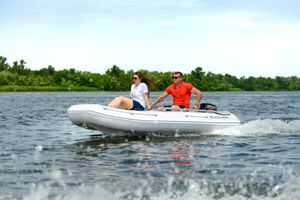
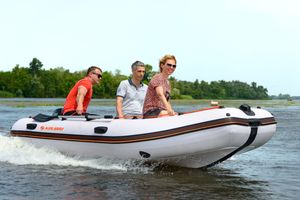
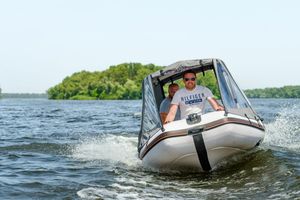
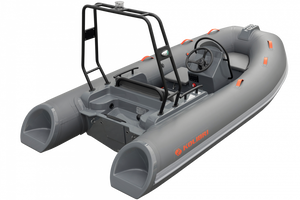
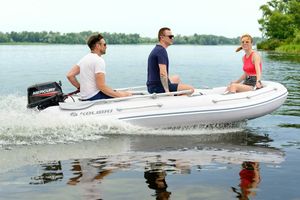
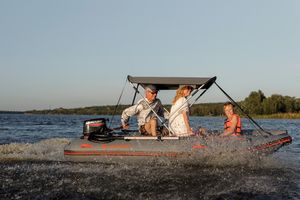
Modern inflatable canoes with a motor transom have higher passenger capacity and speed compared to kayaks. They are compact when packed, easy to store, and perfect for long trips on open water.
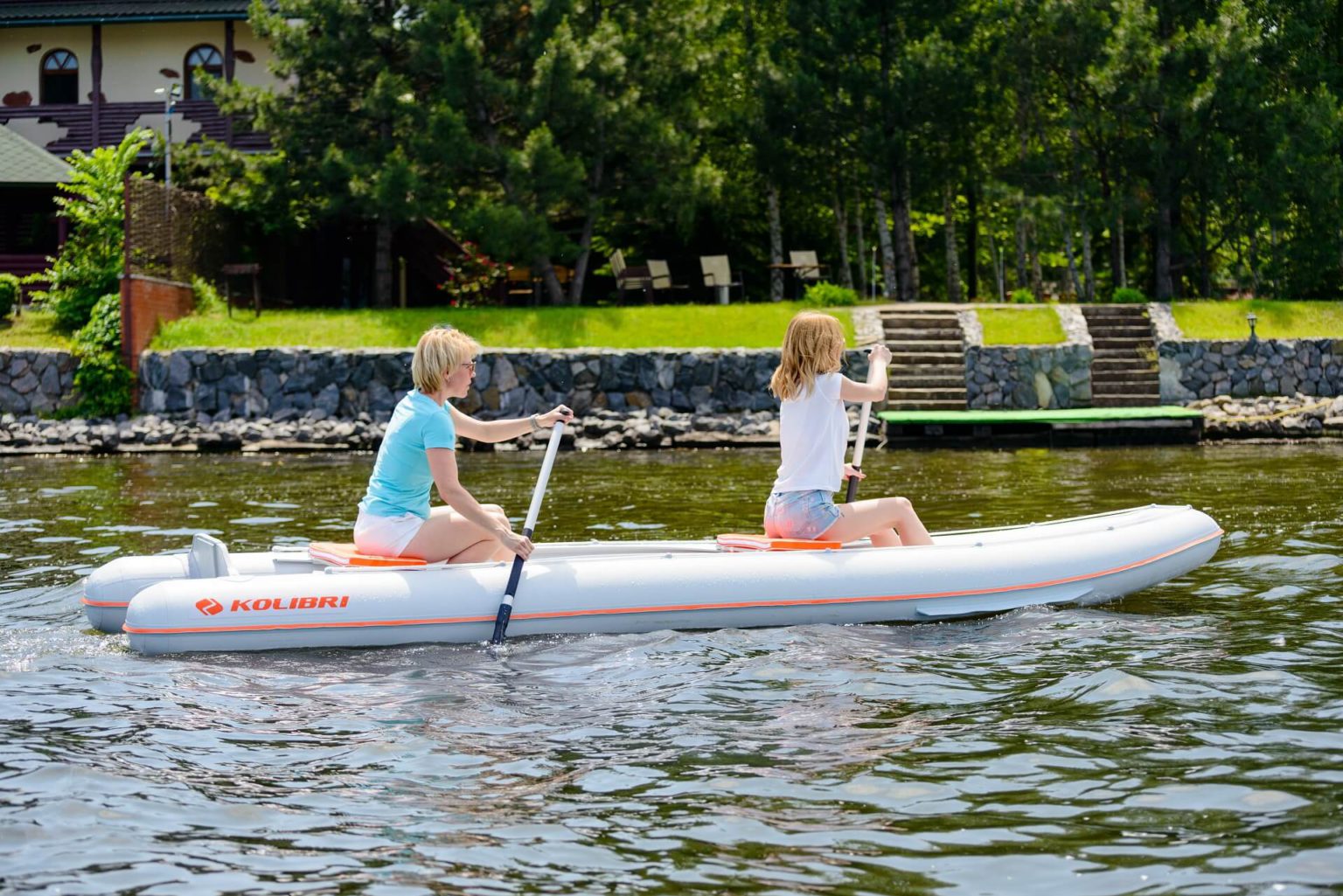
Sports canoes are symmetrical, open, and allow paddling in both directions without turning the boat. They are suitable for group activities, fishing, and traveling with large amounts of gear.
Kayak — Strengths and Applications
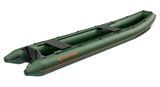
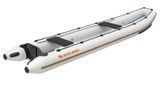
Kayaks are designed for extreme conditions, especially whitewater rivers. Sit-in models provide protection with a spray skirt, while sit-on-top versions are convenient for fishing and water recreation.
Kayaks are maneuverable thanks to a double-bladed paddle. They are suitable for cold-weather use, compact in transport, and available in inflatable, folding, or solid plastic types. Unlike canoes, they are generally not equipped with motors.